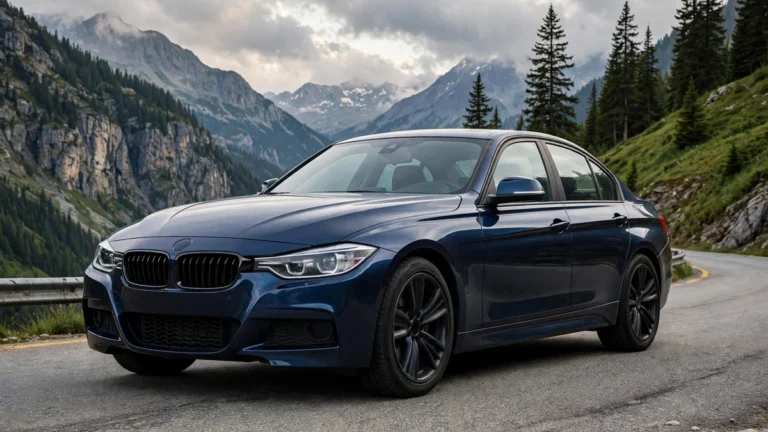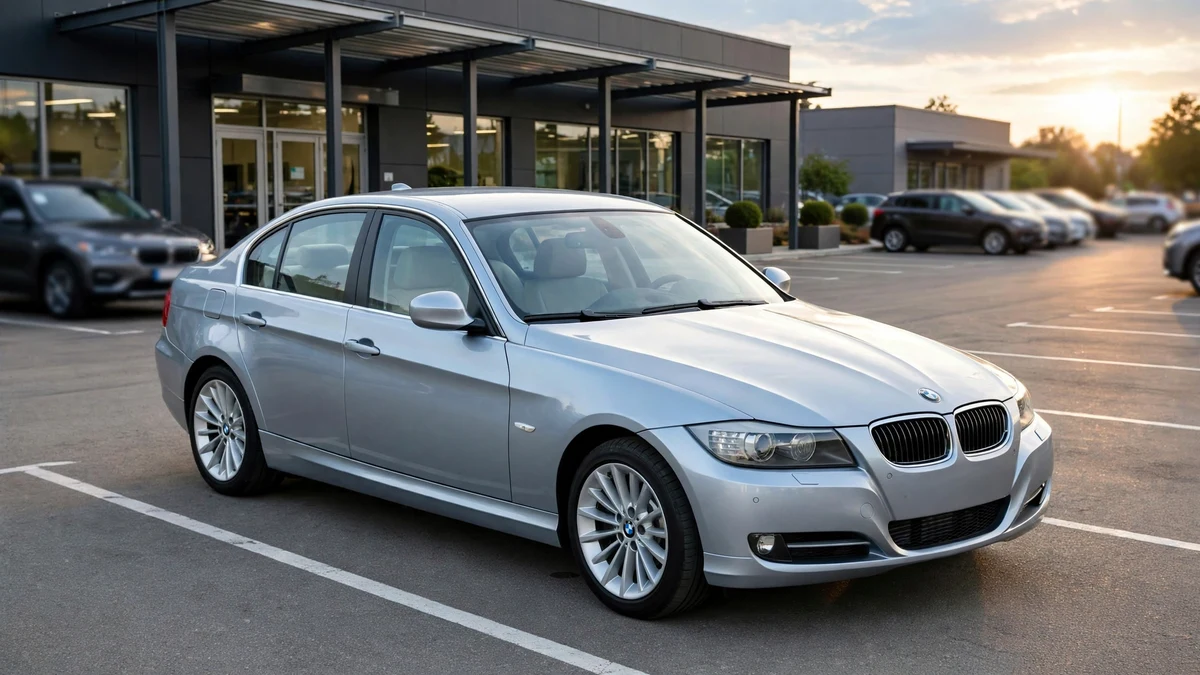
Is the E90 328i the Best Used BMW to Buy?
The E90 328i is the used BMW sweet spot that keeps getting better with age: the last naturally aspirated inline-six 3 Series sedan most buyers can still afford, wrapped in a chassis that predates turbo complexity and subscription-era electronics. But “affordable” and “cheap to own” are different things, and a 15-year-old German sedan punishes buyers who skip homework. This E90 328i buyer’s guide covers the N52 engine’s real strengths and weaknesses, how common issues shift by model year, what these cars actually sell for in 2026, and exactly what to inspect before money changes hands. For the general used-3-Series buying process — negotiation, paperwork, financing — read our used BMW 3 Series buying guide alongside this one; everything below is 328i-specific.
Short answer
Yes — an E90 328i is still worth buying in 2026 if you buy on service history, not mileage or shine. The N52 3.0L inline-six (230 hp, 200 lb-ft) is one of BMW’s most durable modern engines at its core, but the accessories bolted to it are not: budget for an electric water pump and thermostat (~$800–$1,200 at a shop), oil filter housing and valve cover gaskets, and VANOS solenoids. Realistic 2026 prices run roughly $6,000–$10,000 for a decent driver and $10,000–$14,000 for a clean, documented, low-mileage car (owner-reported market bands). Prefer 2009–2011 cars for the facelift updates, get a pre-purchase inspection from an independent BMW specialist ($150–$300), and walk away from any car with no records — the cheapest 328i is almost always the most expensive one.
In this guide
- Which cars this guide covers
- The N52 engine, honestly assessed
- E90 328i specs at a glance
- Gearbox, steering, and chassis
- Common issues by model year
- Realistic 2026 price bands
- Real running costs beyond repairs
- What to inspect before you buy
- Interactive: should you buy this 328i?
- Interactive: first-year ownership budget
- Frequently asked questions
Which cars this guide covers
“E90” is chassis code for the fifth-generation 3 Series sedan, but in common use it covers the whole family: the E90 sedan, E91 wagon (Touring), E92 coupe, and E93 convertible, built for model years 2006–2011 (coupes and convertibles ran to 2013, but the 328i sedan and wagon ended with 2011). One clarification matters for shoppers: the 2006 cars were badged 325i and 330i. The 328i badge arrived for 2007, replacing both, with the 3.0L N52 detuned to 230 hp — slotting between the old 325i’s 215 and the 330i’s 255. So when this guide says “E90 328i,” it means 2007–2011 sedans and wagons, plus 2007–2011 coupes and convertibles (later E92/E93 328is through 2013 are mechanically near-identical).
Every US 328i pairs the N52 with either a 6-speed manual or a 6-speed automatic (GM-sourced Steptronic), driving the rear wheels — or all four in the 328i xDrive models, which arrived for 2009 (sedan and wagon; the coupe/convertible stayed RWD-only in the US). The manual is rare — well under 10% of production by most owner estimates — and commands a real premium today. The 2009 facelift (LCI) brought revised front and rear styling, LED taillights, and the updated iDrive system, making 2009–2011 the sweet-spot years for most buyers. See our E90 vs. F30 comparison if you’re cross-shopping the next generation.
The N52 engine, honestly assessed
The N52B30 is a 3.0-liter naturally aspirated inline-six making 230 hp at 6,500 rpm and 200 lb-ft at 2,750 rpm, and it is the reason the E90 328i has a reputation its turbo successors can’t match. It was BMW’s first production engine with a magnesium-aluminum composite crankcase, and it pairs Valvetronic (variable valve lift) with Double VANOS (variable camshaft timing) — no turbo, no direct injection, no high-pressure fuel pump to fail. Owner forums and independent BMW technicians consistently describe the N52’s core — block, crank, pistons, head — as essentially unbreakable with timely oil changes; the failures that strand or bankrupt owners are almost all in the bolt-on systems around it. That distinction is the whole ownership equation: the engine itself will run 250,000+ miles, but you will replace nearly every gasket, the water pump, and several sensors to get there.
Two N52 traits deserve specific attention from buyers. First, the hydraulic valve lifters can tick loudly on cold starts, especially on cars driven mostly for short trips — a metallic tapping from the cylinder head that owner communities widely report and that BMW addressed with revised cylinder heads on some cars. Using the correct BMW LL-01-spec oil, changing it every 6,000–7,500 miles (not BMW’s original 15,000-mile interval), and taking regular extended drives minimizes it; the noise itself doesn’t damage the engine, but a car that ticks badly may have lived on neglected oil. Second, the electric water pump: every E90 has one, it typically fails between 70,000 and 100,000 miles, and it usually fails without warning — the car drops into limp mode rather than letting itself overheat. A pump-and-thermostat replacement runs roughly $800–$1,200 at an independent shop, and it’s the single most predictable four-figure bill in 328i ownership. Our water pump replacement guide covers the job in detail.
Two maintenance specs separate cared-for N52s from neglected ones, and both are checkable in the records. Oil: BMW originally specified 15,000-mile intervals, which the enthusiast community and most independent specialists consider far too long for engine longevity — the cars that make 250,000 miles almost universally ran 6,000–7,500-mile changes with BMW LL-01-approved oil (typically 5W-30 or 0W-40). Ask the seller what oil and interval they used; “whatever the dash said” at 15,000 miles is a yellow flag. Coolant: the N52 wants BMW blue coolant (or an equivalent phosphate-free formula), changed roughly every 4 years — green universal coolant or brown neglected coolant in the expansion tank tells you the cooling system was an afterthought. Spark plugs are a 60,000–100,000-mile item on the N52 (BMW’s condition-based service stretches toward the top of that range; specialists tend to do them at 60,000), and the ignition coils are a replace-as-they-fail item. None of this is exotic — it’s a $150–$300 DIY service — but a seller who can’t tell you when plugs were last done probably deferred everything else too.
E90 328i specs at a glance
| Specification | E90 328i (2007–2011) |
|---|---|
| Engine | N52B30 3.0L naturally aspirated inline-6 |
| Power / torque | 230 hp @ 6,500 rpm / 200 lb-ft @ 2,750 rpm |
| Valvetrain | Valvetronic variable lift + Double VANOS |
| Block | Magnesium-aluminum composite |
| Transmissions | 6-speed manual / 6-speed automatic (Steptronic) |
| Drivetrain | RWD standard; xDrive AWD from 2009 (sedan/wagon) |
| Body styles | Sedan (E90), wagon (E91), coupe (E92), convertible (E93) |
| Fuel economy | High teens city / high 20s highway (EPA, fueleconomy.gov) |
| Fuel requirement | Premium unleaded (91+ octane) recommended |
| Curb weight | ~3,350–3,700 lb depending on body and drivetrain |
Gearbox, steering, and chassis
The 328i’s hardware beyond the engine is a big part of why these cars still feel right. The 6-speed manual (ZF GS6) is the one to have: slick, robust, and increasingly rare — cars so equipped sell faster and for more money at every price tier. The 6-speed automatic is a conventional torque-converter Steptronic (GM-sourced on these cars), generally durable if its fluid and filter are serviced every 60,000–70,000 miles; neglected-fluid cars can develop harsh 2–3 shifts, so that specific shift is your test-drive tell. Steering is hydraulic-assist rack-and-pinion — weighty, communicative, and the single most-cited reason E90 loyalists never moved to the electric-steering F30. The chassis is a near-50/50 balanced rear-driver with a multi-link rear end; the wear items are control-arm bushings, thrust-arm bushings, and sway-bar end links, all of which announce themselves as clunks and vague steering. None are expensive parts — budget a few hundred dollars per axle at an independent shop — but a car that needs all four corners of suspension at once is a $1,500–$2,500 job, so factor it in.
Common issues by model year
The N52’s failure pattern is consistent across all years — gaskets harden, the water pump dies, solenoids gum up — but the early cars carry a few extra risks worth knowing. The table below separates year-specific concerns from the universal ones; the universal list applies to every 328i you’ll test-drive.
| Model years | Year-specific notes | Watch for |
|---|---|---|
| 2007–2008 | Earliest N52 cars; some had the original-design valve lifters most prone to cold-start tick. Pre-LCI iDrive (CCC) is slow and dated. | Lifter tick severity; CCC iDrive screen delamination; earlier coil packs |
| 2009 | Facelift (LCI) year: revised styling, LED taillights, updated iDrive (CIC). First year of xDrive on the 328i sedan/wagon. | First-year xDrive actuator wear; verify LCI parts vs. pre-LCI pricing |
| 2010–2011 | Most sorted years; later N52 revisions. Check NHTSA by VIN — BMW issued a recall campaign covering VANOS adjustment-unit bolts on some of these cars. | Nothing year-specific beyond the universal list — these are the ones to buy |
The universal list — budget for all of these on any 328i over 80,000 miles. The oil filter housing gasket (OFHG) leaks onto the serpentine belt; if the belt slips or shreds, debris can destroy the front crank seal and starve the engine of oil — this is the one leak you fix immediately, not eventually. The valve cover gasket weeps oil onto the exhaust (burning-oil smell); the N52’s magnesium valve cover itself warps and cracks, so experienced techs replace the cover with the gasket rather than the gasket alone. The oil pan gasket seeps — a cheap part with brutal labor, far worse on xDrive cars where the front subframe must drop. VANOS solenoids clog and throw codes for intake/exhaust camshaft timing (commonly 2A82/2A87); they’re inexpensive and DIY-friendly. The DISA intake adjuster valve’s flap pin can break and get ingested — listen for rattling from the intake manifold. The eccentric shaft sensor fails from oil intrusion and is expensive because the valve cover must come off. The starter motor lives under the intake manifold, making a normally cheap job a $600–$1,000+ one. Outside the engine: window regulators, door lock actuators, the blower motor’s final-stage resistor, and on xDrive cars the transfer-case actuator and front CV boots. None of this is mysterious — it’s all documented across owner forums and independent-shop price lists — but a car that needs the whole list at once is a $4,000–$6,000 project wearing a $7,000 price tag. Our oil leak diagnosis guide and reliability-by-year breakdown map these failures in more depth.
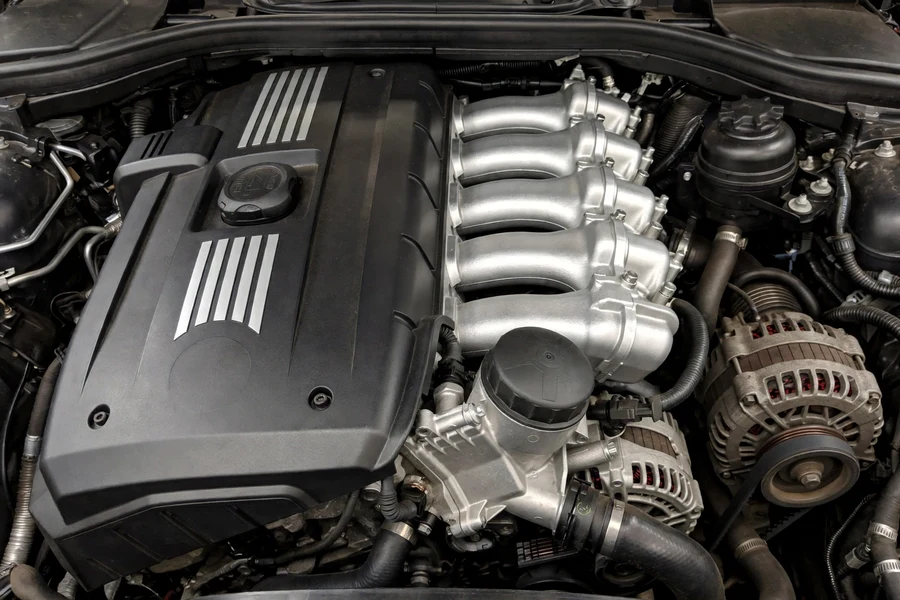
One more pattern that separates good cars from bad: cooling-system age. The electric water pump and thermostat, expansion tank, and radiator hoses all live on roughly the same 80,000–100,000-mile clock. A seller with receipts for a complete cooling refresh in the last 40,000 miles is selling you a car with its biggest surprise bill already paid. A seller who says “never had a problem with it” at 130,000 miles is selling you a car whose water pump is living on borrowed time — price the job into your offer. The automatic transmission benefits from a fluid and filter service every 60,000–70,000 miles despite BMW’s “lifetime fill” claim; ask for receipts, and see our 3 Series maintenance schedule for the full interval list.
Realistic 2026 price bands
E90 328i prices have settled into a rational band: cheap enough to be a genuine budget entry into BMW ownership, expensive enough that the bad ones still cost real money to fix. The figures below are approximate owner-reported US market bands for 2026 — condition and records move a car between bands more than mileage does.
| Condition tier | Typical price | What you get |
|---|---|---|
| Project / high-mileage | ~$3,000–$5,500 | 150k+ miles, needs gaskets/pump/suspension; buy only if you DIY |
| Decent driver | ~$6,000–$10,000 | 90k–140k miles, some records, needs predictable maintenance soon |
| Clean & documented | ~$10,000–$14,000 | Under ~100k miles, full records, cooling refresh done, 2010–2011 preferred |
| Unicorn | ~$14,000+ | 6-speed manual, wagon, or M Sport with low miles and thick records — sells in days |
Three pricing realities to internalize. First, the manual transmission is worth $1,500–$3,000 over an equivalent automatic — it’s rarer every year and the buyer pool for it is fanatical. Second, wagons (E91) carry a 10–20% premium over sedans for the same reason: scarcity plus cult following. Third, xDrive cars typically sell for slightly less than RWD equivalents in warm states and slightly more in snow states, but their maintenance is meaningfully more expensive (oil pan gasket, transfer case) — don’t pay extra for AWD you don’t need. Always cross-check asking prices against completed listings rather than dealer asking prices, and remember that a $9,000 car with $4,000 of deferred maintenance is a $13,000 car.
What to inspect before you buy
| Check | How | Red flag |
|---|---|---|
| Service records | Ask for receipts: pump, gaskets, transmission service | No records at 100k+ miles |
| Cold start | Start stone cold; listen for lifter tick, watch exhaust | Tick that never fades; blue smoke |
| Oil leaks | OFHG area, valve cover seam, oil pan | Oil on the serpentine belt |
| Cooling system | Expansion tank cracks, coolant color, hose condition | Green/brown coolant; low level |
| Electrics | Every window, sunroof, locks, iDrive menus | Dead regulators, delaminating screen |
| Test drive | Full-lock turns (xDrive), 2–3 shift, braking, bumps | Binding, shift flare, clunks |
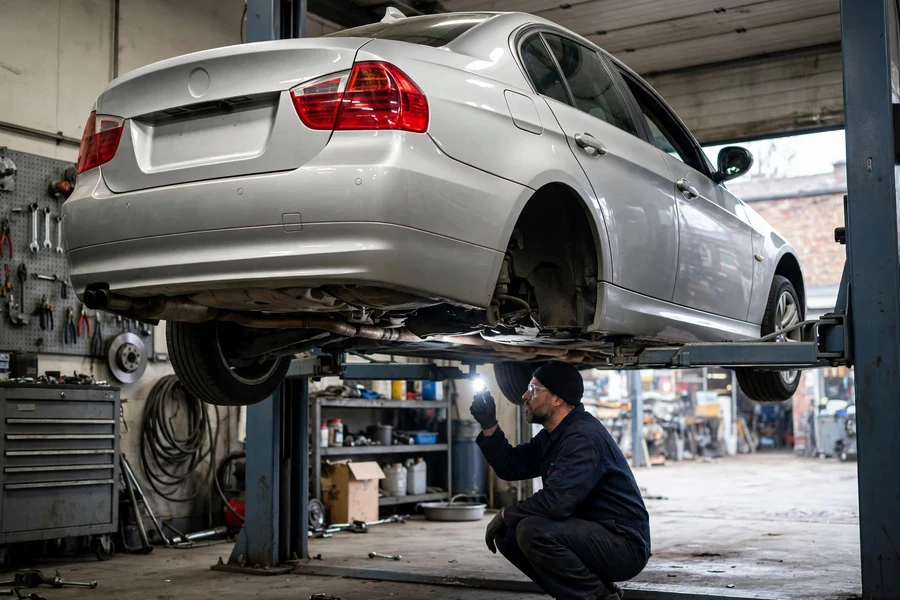
| Professional PPI | Independent BMW specialist, on a lift, code scan | Skipping it to “save” $200 |
Do this in order: paperwork first, then the cold start, then underneath. Paperwork: demand service records and look specifically for the water pump/thermostat, OFHG, valve cover gasket, and transmission service. A thick folder beats low mileage — a 130,000-mile car with every receipt is a better buy than a 90,000-mile car with none. Run the VIN through NHTSA’s recall database and a history report for accidents and title brands. Cold start: insist on seeing the car started stone cold. Listen for lifter tick (should fade within a minute or two on a healthy car), watch the exhaust for blue smoke (valve stem seals) or white steam that doesn’t clear (coolant), and note any long cranking. Check every window, the sunroof, and the door locks — regulators and actuators are the E90’s favorite electrical failures. Cycle the iDrive through all menus and check for a delaminating or pixelated screen on pre-LCI cars.
Under the hood and underneath: look for oil weeping at the oil filter housing (front of engine, above the belt — the critical one), around the valve cover perimeter, and under the car at the oil pan seam. Shine a light on the serpentine belt for oil contamination or fraying edges. Check the coolant expansion tank for cracks and the coolant color (should be blue BMW coolant, not green universal and not brown). On the test drive, the steering should be weighty and precise with no clunks over bumps (worn control-arm bushings and end links are common), the transmission should shift smoothly with no flare on the 2–3 upshift, and there should be no shudder under braking. On xDrive cars, do slow full-lock turns in a parking lot and listen for binding or groaning from the transfer case. Finally — and this is non-negotiable — get a pre-purchase inspection from an independent BMW specialist, not a general shop and not the seller’s mechanic. Expect $150–$300 for an inspection that puts the car on a lift and reads BMW-specific fault codes; it routinely finds $1,000+ of issues the test drive can’t. Our pre-purchase inspection guide details exactly what the inspection should cover, and note that a replacement battery on these cars requires registration to the car’s computer — see our battery registration guide so a fresh battery doesn’t read as a red flag.
Real running costs beyond repairs
Repairs get the attention, but the everyday running costs decide whether the car fits your budget. Fuel: the N52 wants premium (91+ octane) and returns EPA economy in the high teens around town and high 20s on the highway (fueleconomy.gov) — plan on roughly 21 mpg combined in mixed driving, which at 12,000 miles a year is about 570 gallons of premium. Tires: most 328is left the factory on run-flats, which ride harshly and cost more to replace; many owners switch to conventional tires plus a mobility kit, a well-documented trade that improves ride and costs less per set — see our run-flat vs. regular tire guide and the TPMS reset procedure you’ll need after a swap. Brakes: a full axle of pads and rotors runs roughly $250–$400 in parts DIY or $500–$900 at a shop, needed roughly every 40,000–60,000 miles depending on driving style. Insurance: the 328i typically insures like the modestly powered, safety-rated sedan it is — usually well below a 335i — but get a quote before you buy, because rates vary wildly by age and ZIP code. None of these are deal-breakers, but together they explain why the purchase price is only the cover charge.
Interactive: should you buy this 328i?
Answer five questions about the specific car you’re considering and the tool scores it — buy, negotiate, or walk away — with the risk items and first-year budget that drive the verdict. It weights service history heaviest, because on an E90 that’s what actually predicts your bills.
E90 328i buy-or-walk scorer
Five inputs, one verdict. Scoring mirrors this guide: history first, then mileage, year, drivetrain, and price.
Interactive: first-year ownership budget
Set your expected mileage, who turns the wrenches, and the car’s starting condition — the estimator builds a first-year maintenance budget from the failure pattern in this guide. These are approximate independent-shop/DIY bands, not quotes.
First-year budget estimator
Move the mileage slider, pick your wrenching style and the car’s condition.
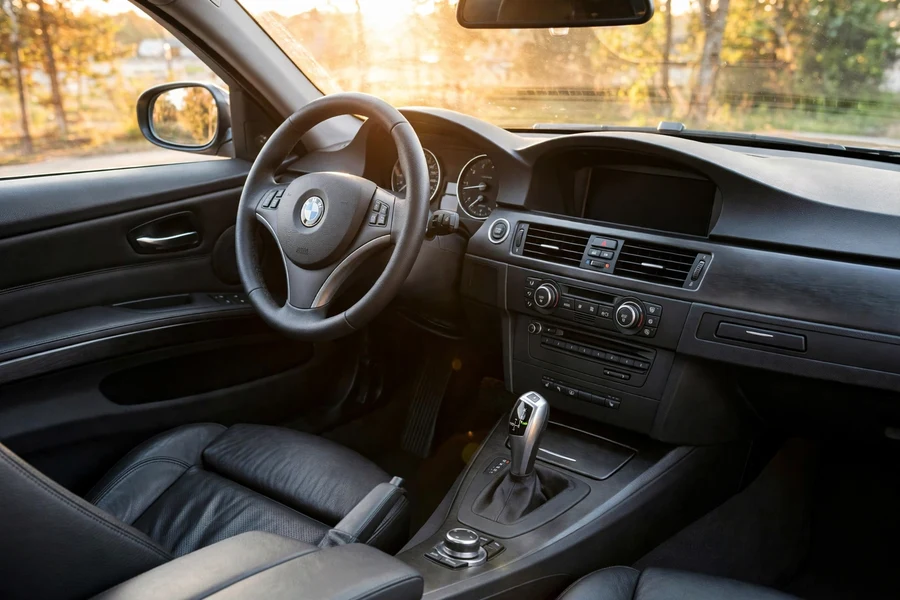
The E90 328i rewards a particular kind of buyer: one who reads service records like a resume, budgets the first year honestly, and finds a good independent BMW shop before the car needs one. Do that and you get the last of the naturally aspirated inline-six 3 Series — hydraulic-feeling steering, a 50/50 chassis, and an engine note no four-cylinder will ever fake — for the price of a used economy car. Buy on shine instead of records and you’ll learn the same lessons, just more expensively. Start with the scorer above on every candidate, confirm with a specialist PPI, and keep the general 3 Series buying guide open for the paperwork side.
Frequently asked questions
Is the E90 328i reliable?
At its core, yes — the N52 engine’s internals are among the most durable BMW ever built, and owner communities routinely report 200,000+ mile cars. The caveat is the bolt-on systems: the electric water pump, gaskets, VANOS solenoids, and sensors all fail on schedule. A maintained 328i is reliable; a neglected one is a project. Reliability here is a function of service history, not the badge.
What is the best year for the E90 328i?
2010–2011 are the safest picks: the most sorted N52 revisions, facelift styling and updated iDrive, and the fewest year-specific quirks. The 2009 facelift cars are a close second and often better value. Early 2007–2008 cars are fine if documented but check cold-start lifter tick and expect the older CCC iDrive.
How much does it cost to maintain an E90 328i per year?
Once sorted, roughly $1,000–$1,500 per year at an independent shop for routine maintenance and wear items (owner-reported bands). The first year is the expensive one: a car with unknown history typically needs $1,500–$3,000 of catch-up work (water pump, gaskets, fluids). DIY owners spend roughly half on parts.
Should I buy a RWD or xDrive E90 328i?
Buy RWD unless you genuinely need all-wheel drive for winter. The RWD car is simpler, cheaper to maintain (the oil pan gasket job is dramatically easier), lighter, and the enthusiast preference. xDrive adds the transfer-case actuator and front CV boots as wear items and makes several common jobs far more expensive.
Is the E90 328i a good daily driver in 2026?
Yes, with eyes open. It’s comfortable, safe, parts are plentiful, and any independent BMW shop knows the car intimately. The trade-offs are fuel economy in the high teens around town, premium fuel, and maintenance costs well above a Camry’s. As a daily driver it’s excellent; as an only car for someone with no maintenance budget, it’s risky.