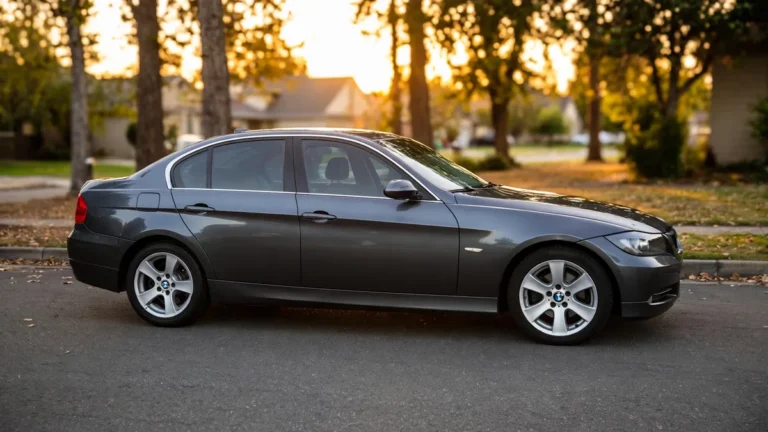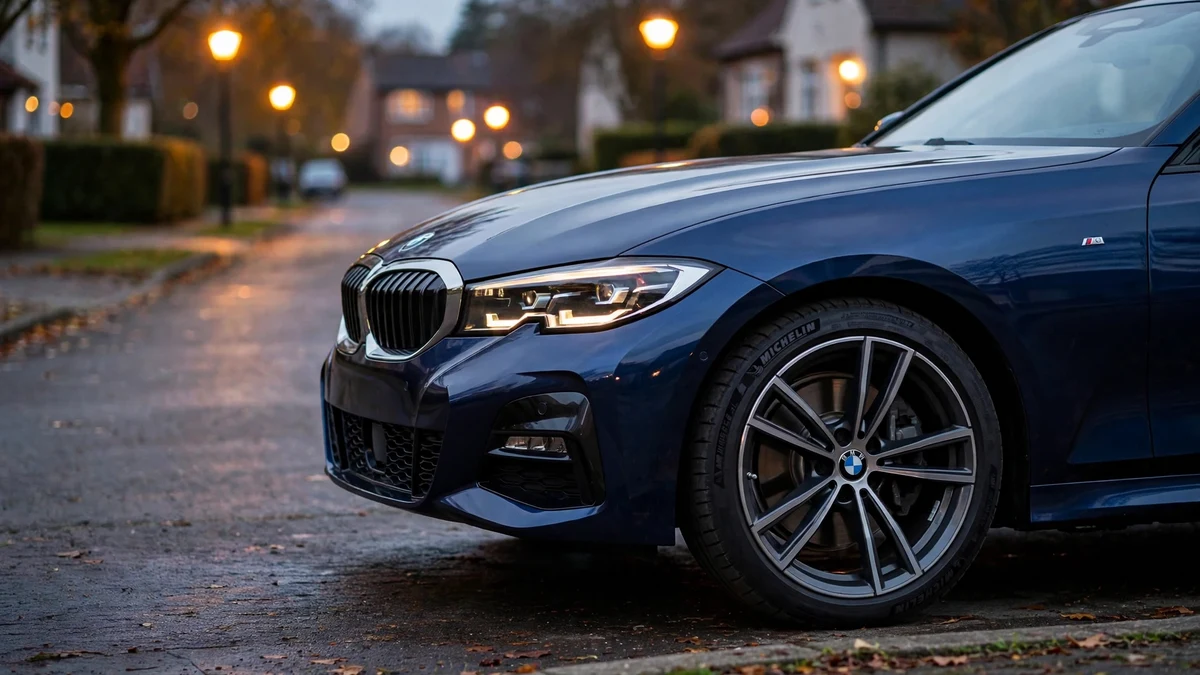
BMW Run-Flat vs Regular Tires — Should You Ditch Run-Flats?
Short answer: BMW run-flat vs regular tires comes down to puncture mobility versus everyday comfort. Run-flats let you drive roughly 50 miles at up to 50 mph after a puncture, but their reinforced sidewalls ride harsher, cost roughly 20–50% more per tire, and are rarely repairable. Regular tires are cheaper, quieter, and more comfortable — but your 3 Series has no spare wheel well, so switching means carrying a mobility kit (compressor + sealant) or a space-saver spare in the trunk.
In this guide
- What run-flat tires actually do
- Run-flat vs regular tires: pros and cons
- Cost comparison: what each setup really costs
- What changes when you switch to regular tires
- Decision quiz: which setup fits your driving?
- Spare and mobility options compared
- What to buy for the switch
- Winter tires and run-flats
- Run-flat vs regular tires FAQ
Almost every BMW 3 Series since the E90 generation (2006) has rolled off the line on run-flat tires. BMW’s logic is straightforward: with tires that can support the car at zero pressure, there is no need for a spare wheel — which means no spare wheel well, no jack, and no lug wrench cluttering up the car. The result is more trunk space and no roadside wheel changes, ever.
But ask 3 Series owners and you will hear a familiar refrain: the ride is harsh, the tires are expensive, and a puncture usually means buying a brand-new tire rather than a repair. This guide lays out the real trade-offs — comfort, noise, weight, cost, availability, and repairability — then shows you exactly what backup plan you need if you make the switch. If you are shopping for a used 3 Series, checking the tire type is one more item for the list: our used BMW 3 Series buying guide covers what to look for on any pre-owned car.
What run-flat tires actually do
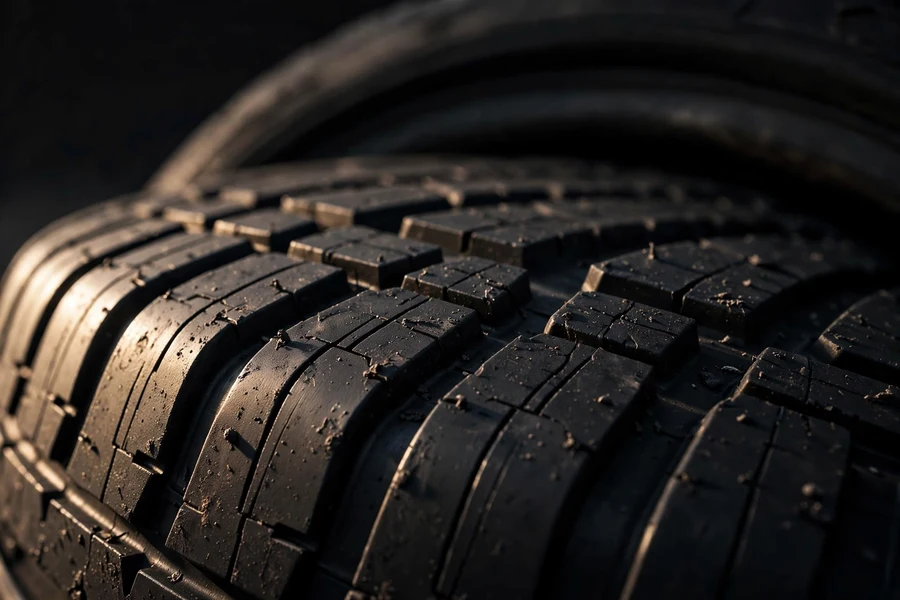
A run-flat tire looks like an ordinary tire, but its sidewalls are heavily reinforced. In a normal tire, air pressure is what holds the car up; lose the air and the sidewall collapses, the rim drops onto the ground, and the tire shreds within seconds. In a run-flat, the stiffened sidewalls keep supporting the vehicle even with zero pressure in the tire. That single design difference is the entire point of the technology.
After a puncture, a run-flat lets you keep driving — typically around 50 miles at up to 50 mph — to reach a tire shop or a safe place to stop. A flat tire at highway speed becomes an inconvenience instead of an emergency stop on the shoulder, and because the tire never fully collapses, the car stays more stable during the pressure loss.
Those reinforced sidewalls are also the source of nearly every complaint about run-flats. A sidewall stiff enough to carry a car with no air in it transmits more of every bump, crack, and pothole into the cabin. Newer designs are noticeably better than the first-generation tires that earned the technology its harsh reputation, but the fundamental trade-off has not changed: stiffness that saves you during a puncture is stiffness you feel on every other mile.
How do you know if your 3 Series is wearing run-flats right now? Check the tire sidewall for a run-flat marking. BMW-fitted tires usually carry the letters RSC (Run-flat System Component); other common markings include SSR (Continental), ZP (Michelin), ROF (Goodyear), DSST (Dunlop), and RFT (Bridgestone). If your car still has its original-style tires, the odds are high they are run-flats — BMW has specified them as standard 3 Series equipment for nearly two decades.
Run-flat vs regular tires: pros and cons
Here is the honest head-to-head, with no marketing gloss. The pattern is simple: run-flats win on puncture safety and convenience; regular tires win on just about everything else.
| Factor | Run-flat tires | Regular tires |
|---|---|---|
| After a puncture | Drive ~50 miles at up to 50 mph; no roadside stop needed | Stop immediately; you need a spare, a repair kit, or roadside assistance |
| Ride comfort | Harsher — stiff reinforced sidewalls transmit more road shock | Noticeably softer and more composed over broken pavement |
| Road noise | Generally louder; the stiff carcass generates more tire roar | Quieter on most surfaces, especially with touring-oriented tires |
| Weight | Heavier per tire; extra unsprung weight dulls suspension response | Lighter; the suspension can do its job more precisely |
| Purchase cost | Roughly 20–50% more per tire than the equivalent regular tire | Cheaper, with far more brands and models to choose from |
| Availability | Fewer options; many shops do not stock your exact size | Available everywhere, usually same-day |
| Repairability | Most shops will not repair one driven flat; replacement is the common practice | Simple tread punctures are routinely patched or plugged |
| Trunk space needed | None — no spare or kit required | You must carry a mobility kit or a spare (your car has no spare well) |
| Handling feel | Sharp initial response, but the stiff sidewall can skip over bumps | More grip and composure on real-world imperfect roads, per most owners |
A note on the repair question, since it surprises a lot of owners: whether a run-flat can be patched is mostly a shop-policy question, not a technical one. A run-flat driven with no pressure may have hidden internal sidewall damage that cannot be reliably inspected, so most tire shops decline the repair and recommend replacement. That is common practice, not a law of physics — a tire that picked up a nail and was never driven flat is sometimes repaired — but plan your budget around replacement. Pirelli, for one, specifically advises against repairing a damaged run-flat.
Cost comparison: what each setup really costs
Run-flats are consistently more expensive — major US tire retailers put the premium at roughly 20–50% per tire for the same size and performance category. The table below uses typical fitted prices for common 3 Series sizes; treat these as planning ranges, not quotes.
| Item | Typical range (fitted, set of 4) | Notes |
|---|---|---|
| Regular performance tires | $800–$1,500 | Huge selection; frequent rebates and promotions |
| Run-flat tires | $1,100–$2,100 | Roughly 20–50% more per tire; fewer brands |
| Mobility kit (compressor + sealant) | $60–$200 | BMW’s own Mobility Kit sits at the top of this range; sealant expires and needs replacing every few years |
| Space-saver spare kit (wheel + jack + bag) | $150–$300 | Must be lashed to the trunk tie-downs; eats trunk floor space |
| Single run-flat replacement after a puncture | $250–$500+ | Replacement is the common practice — budget for it, not for a $30 patch |
Put the two tire options side by side and the math is easy to visualize:
The takeaway: switching to regular tires usually pays for its own backup plan. The per-set savings typically exceed the one-time cost of a mobility kit, and every puncture you would otherwise have solved with a $250–$500 run-flat replacement widens the gap further. The cost argument for staying with run-flats is not the tire price — it is the value you place on never dealing with a flat at the roadside.
What changes when you switch to regular tires
Swapping the rubber is the easy part — regular tires fit your existing wheels with no modifications. What actually changes is everything around a flat tire, plus a few details worth knowing before you commit.
Your 3 Series has no spare wheel well
This is the single most important fact in the whole decision. BMW designed the 3 Series around run-flats, and as BMW’s own emergency-wheel accessory documentation states, there is no spare wheel well in any of the models (BMW accessory product information for the emergency wheel system). That applies across generations:
- E90 (2006–2011): the under-trunk-floor cubby is shallow storage, not a spare well — and on many cars the battery lives back there too. A full-size wheel simply does not fit under the floor.
- F30 (2012–2018): same story: a handy under-floor compartment that easily swallows a small compressor or jack kit, but no wheel will fit beneath the floor panel.
- G20 (2019–present): the under-floor area shrank further on many cars (mild-hybrid battery hardware lives there), and a factory space-saver spare option — where offered — sits on top of a raised false floor in the main trunk, visibly eating cargo space. Remove it and you get your trunk back.
Practical consequence: any spare you carry rides in the main cargo area. A space-saver kit takes up roughly the same floor footprint as a full-size wheel — you only save a few inches of height — so be honest with yourself about how often you actually fill the trunk. A mobility kit, by contrast, tucks into the under-floor cubby and costs you zero usable space.
TPMS keeps working — with one sealant caveat
Your tire pressure monitoring does not care what kind of tire is on the wheel. BMW uses direct TPMS sensors mounted inside each wheel, so when you switch to regular tires the sensors simply transfer over (or get replaced if their batteries are aging out — most last 5–10 years). You will need to reset the system through iDrive after the swap so it relearns the new baseline pressures; the full procedure is in our BMW 3 Series TPMS reset guide.
The caveat concerns tire sealant. Emergency sealants work by clogging holes — and a TPMS sensor needs an open pressure port to read correctly. Some sealants can clog the sensor’s port or coat its electronics, causing inaccurate readings or killing the sensor outright, which is why most tire and sensor manufacturers advise against sealant use on TPMS-equipped wheels except as a genuine get-me-to-the-shop measure. If you do use sealant, have the sensor inspected and cleaned afterward — an NHTSA technical bulletin on TPMS handling specifically instructs technicians to clean the sensor and rim when sealant is detected.
The staggered-setup wrinkle
Many 3 Series cars — especially M Sport models like those compared in our 330i vs M340i guide — run staggered fitments: narrower tires up front, wider ones at the rear (for example, 225/45R18 front and 255/40R18 rear on the F30, or 8-inch front and 8.5-inch rear wheels on the G20). Two implications for the switch:
- You cannot rotate staggered tires front-to-rear, run-flat or not. Your tire budget should already assume rears wear faster; the switch does not change that, but it makes the cheaper per-tire cost of regular rubber even more welcome.
- One spare must fit both axles. A space-saver kit needs to clear your front brakes (the larger ones) and match the rolling diameter closely enough for the rear. Owners commonly report that 17-inch space-savers clear standard brakes while cars with the larger M Sport (blue) brakes need an 18-inch spare — confirm fitment for your exact brake setup before buying, because a spare that does not clear the caliper is dead weight.
- xDrive adds sensitivity. All-wheel-drive 3 Series cars are fussier about rolling-diameter differences between axles than rear-drive cars. Treat any spare — space-saver or full-size — as strictly get-me-to-the-shop equipment: short distance, moderate speed, straight to a tire shop. Our xDrive vs RWD explainer covers how the system distributes torque and why it cares about matched tires.
A word on suspension tuning
You will sometimes hear that BMW tunes its suspension specifically for run-flats, so switching ruins the handling. The reality reported by owners is less dramatic: the suspension was tuned to cope with stiff run-flat sidewalls, and fitting regular tires typically makes the car ride better and grip better on imperfect roads, since the more compliant sidewall keeps the contact patch planted over bumps. Keep pressures at BMW’s recommended values (door-jamb sticker) and the car behaves exactly as intended.
Decision quiz: which setup fits your driving?
Three honest answers point you at the right setup — a city commuter and a cross-country road-tripper have genuinely different needs:
Run-flat or regular? Find your setup
Three quick questions — your recommendation updates as you answer.
Spare and mobility options compared
Once the run-flats are gone, you need a plan for the day a tire goes flat. These are the realistic options, ranked from least to most hassle:
| Option | What you need | Trade-offs |
|---|---|---|
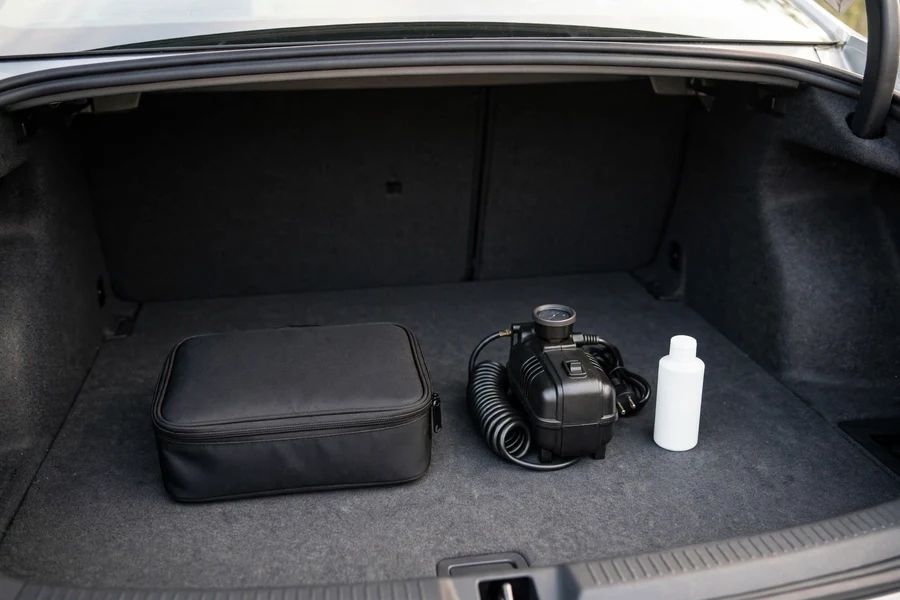
| Mobility kit (compressor + sealant) | 12V compressor, bottle of TPMS-safe tire sealant, ideally a tire plug kit and gloves | Cheapest and smallest; fits under the trunk floor. Handles tread punctures only — useless for sidewall damage or blowouts. Sealant is single-use and expires; have the TPMS sensor inspected afterward. |
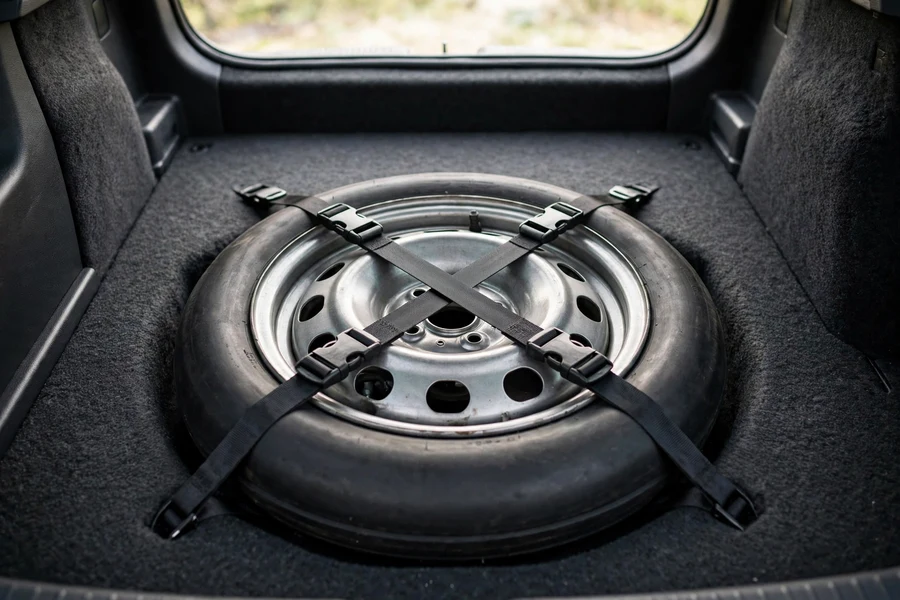
| Space-saver spare kit | Compact spare wheel sized for your brakes, scissor jack, lug wrench, wheel chock, carry bag | Handles any single flat, including sidewall damage. Speed-limited (usually 50 mph) and range-limited. Takes up trunk floor space and must be strapped to the lashing eyes; your car came with no jack, so buy the kit complete. |
| Full-size spare | A matching wheel and tire, plus jack and tools as above | No speed or distance limits once fitted. Eats a large chunk of the trunk — on most 3 Series it consumes the majority of usable cargo space. Really only sensible for dedicated long-trip duty. |
| Roadside assistance only | A current assistance membership or BMW roadside coverage | Zero trunk impact and zero effort — but you wait, sometimes for hours, and in remote areas a tow may be the only option. Best as a complement to a kit, not the whole plan. |
For most owners, the sweet spot is a mobility kit for daily life plus roadside assistance as the safety net — with a space-saver added for long road trips, then removed when you get home. BMW’s own emergency-wheel documentation insists the spare be firmly lashed to the trunk’s lashing eyes (not left loose), because an unsecured wheel becomes a projectile in a hard stop.
What to buy for the switch
Ready to make the change? Here is the practical shopping list, in the order that matters.
The mobility kit: contents that actually work
- 12V air compressor that plugs into the car’s power outlet. This is the heart of the kit — it reinflates the tire after sealant or a plug repair. BMW’s own Mobility Kit is essentially this plus sealant in a fitted case; quality third-party compressors do the same job.
- Tire sealant labeled safe for TPMS-equipped wheels. Sealant is a get-me-to-the-shop fix for tread punctures, not a permanent repair. Check the expiry date when you buy and replace the bottle every few years — expired sealant may not seal.
- Tire plug kit (cord-type plugs, reamer, and insertion tool). For a nail or screw in the tread, a properly installed plug is a far better roadside fix than sealant alone — no mess inside the tire, no TPMS risk. Practice once at home so you are not learning on a dark shoulder.
- Extras: work gloves, a flashlight or headlamp, a pressure gauge, and a reflective vest. Flats happen at night, in the rain, on the worst possible stretch of road.
Jack and tools (for the space-saver route)
Your 3 Series almost certainly came with no jack, no lug wrench, and no wheel chock — BMW stopped including them with run-flat cars. If you go the spare route, buy a complete kit: compact spare, scissor jack rated for the car’s weight, lug wrench that fits your wheel bolts, and a wheel chock. Jack only on the reinforced pads behind the front wheels and ahead of the rears — never on suspension arms or the floor pan. Practice once in the driveway; doing it for the first time on a highway shoulder is how mistakes happen.
TPMS considerations
Budget for the sensors, not just the rubber. If your TPMS sensors are more than about seven years old, replace them while the tires are off the wheels — the sealed batteries are not serviceable, and paying for a second round of mounting and balancing a year later is false economy. After the swap, reset the system through iDrive so it learns the new baseline (see our TPMS reset guide). And as noted above, if you ever deploy sealant, tell the tire shop — the NHTSA’s TPMS handling guidance directs technicians to clean sealant residue from the sensor and rim before reinstalling.
Honest difficulty and cost
Swapping to regular tires is no more difficult than any tire replacement: a tire shop does all four in under an hour. The “project” part is assembling your backup plan — realistically an evening of research and one order. All-in, the regular-tire set usually costs less than the run-flat set it replaces, plus $60–$200 for a mobility kit or $150–$300 for a space-saver kit. Keep up with the rest of the car’s needs on the same schedule with our BMW 3 Series maintenance schedule.
Winter tires and run-flats
Winter adds a twist to this decision, because the run-flat universe shrinks dramatically when temperatures drop. The vast majority of winter tires are not available as run-flats — the market is overwhelmingly regular construction. So if you run a dedicated winter set (and you should, if your winters are real), you have likely already made the switch for half the year, whether you planned to or not.
That is a useful trial run: one winter on regular tires plus a mobility kit tells you everything about how the switch feels. Most owners report that they stop thinking about the missing run-flats within a week — and then start wondering why their summer set is still run-flat.
A few winter-specific notes. Winter setups are commonly downsized — for example, dropping from 19-inch summer wheels to 18- or 17-inch wheels with narrower, taller tires, which cut through slush better, shrug off winter potholes, and usually cost less. Because you are buying a second set of wheels anyway, a square (non-staggered) winter setup is worth considering even on a staggered car: it allows rotation and simplifies the spare question. One caution: sealant behaves worse in extreme cold, so winter drivers should lean on a plug kit and compressor rather than a bottle of sealant alone.
Run-flat vs regular tires FAQ
Can I mix run-flat and regular tires on my 3 Series?
No. Run-flats and regular tires have very different sidewall stiffness, so mixing them — even on the same axle, let alone across axles — produces unpredictable handling and uneven grip. Replace all four with the same construction, and keep the speed rating and load index at or above BMW’s specification.
Will my TPMS still work if I switch to regular tires?
Yes. BMW uses direct TPMS sensors mounted inside the wheels, and they work the same regardless of tire construction. Transfer the sensors to the new tires (or replace them if they are more than about seven years old) and reset the system through iDrive so it learns the new baseline pressures. The only caveat is sealant: some sealants can clog the sensor’s pressure port, so choose a TPMS-safe sealant and have the sensor inspected after any sealant use.
Does switching to non-run-flat tires void my BMW warranty?
No. Tires are wear items, and fitting quality regular tires in BMW’s specified size, load index, and speed rating does not void the vehicle warranty. One practical note: if the car is leased, check your lease terms — some leases require run-flats to be fitted at return.
Can a run-flat tire be repaired after a puncture?
Usually not in practice. A run-flat that has been driven with no pressure may have hidden damage to its reinforced sidewall that cannot be reliably inspected, so most tire shops decline the repair and recommend replacement — and Pirelli specifically advises against repairing damaged run-flats. A tire that picked up a nail and was never driven flat is sometimes repaired, but budget for replacement rather than a patch.
What size space-saver spare fits a BMW 3 Series?
It depends on your brakes, not just the model. Owners commonly report that a 17-inch space-saver clears standard brakes, while cars with the larger M Sport (blue) brakes need an 18-inch spare — confirm fitment for your exact setup before buying. Whichever you buy, BMW’s accessory guidance requires it to be firmly lashed to the trunk’s lashing eyes, and treat it as strictly get-me-to-the-shop equipment: limited speed and short distance.