7 Reasons to Pick the F30 330i Over the 328i
Shopping a used F30 3 Series means answering one question before any other: N20 or B46? The 2012–2015 328i and the 2017–2018 330i look like the same car and cost similar money, but the engines under the hood come from different design generations — and one of them carries a documented timing-chain weakness that turned into a class-action settlement. This F30 328i vs 330i guide breaks down exactly what changed between the two cars mechanically and cosmetically, what the facelift brought, and which one deserves your money in 2026. Failure patterns, realistic prices, and the right questions to ask at inspection are all covered below. If you’re still choosing between generations rather than engines, our E90 vs. F30 and F30 vs. G20 comparisons cover that decision; everything here is the N20-vs-B46 fight.
Short answer
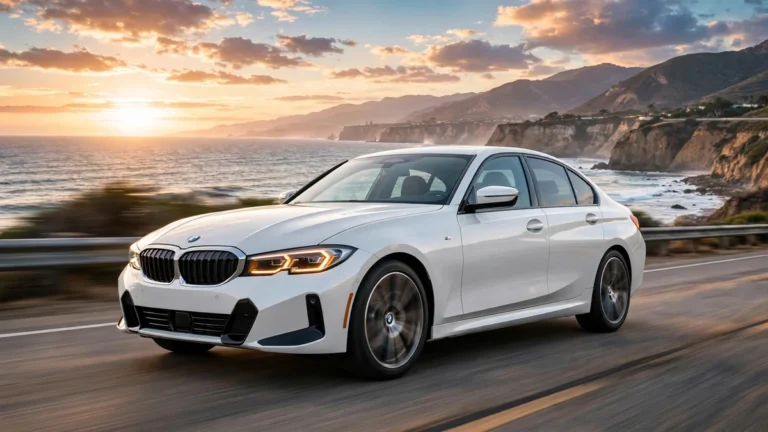
Buy the 330i. The 2017–2018 F30 330i’s B46 engine (248 hp, 258 lb-ft) fixes the N20’s documented timing-chain and guide weakness — the issue behind a class-action settlement and a 7-year/70,000-mile extended warranty on 2012–2015 cars — while adding an electronic wastegate, split-circuit cooling, and meaningful refinement. You also get the 2016 facelift’s LED lighting, updated iDrive, and retuned chassis as standard. Expect to pay roughly $3,000–$5,000 more than an equivalent N20 328i (owner-reported 2026 bands: ~$13k–$20k vs. ~$7k–$14k), and consider it cheap insurance: a single N20 timing-chain job can erase the entire price difference. The one exception is a 2016 328i — the facelift car with the old engine — which can be a value play if its timing components check out.
In this guide
- The lineup decoder: years, badges, engines
- N20 vs. B46: the engine showdown
- The N20 timing-chain issue, documented
- N20 ownership survival guide
- What the 2016 facelift changed
- Options, packages, and xDrive
- How they drive differently
- 7 reasons to pick the 330i over the 328i
- Which one to buy (and the 2016 loophole)
- Interactive: which F30 should you buy?
- Interactive: N20 vs. B46 myth quiz
- Frequently asked questions
The lineup decoder: years, badges, engines
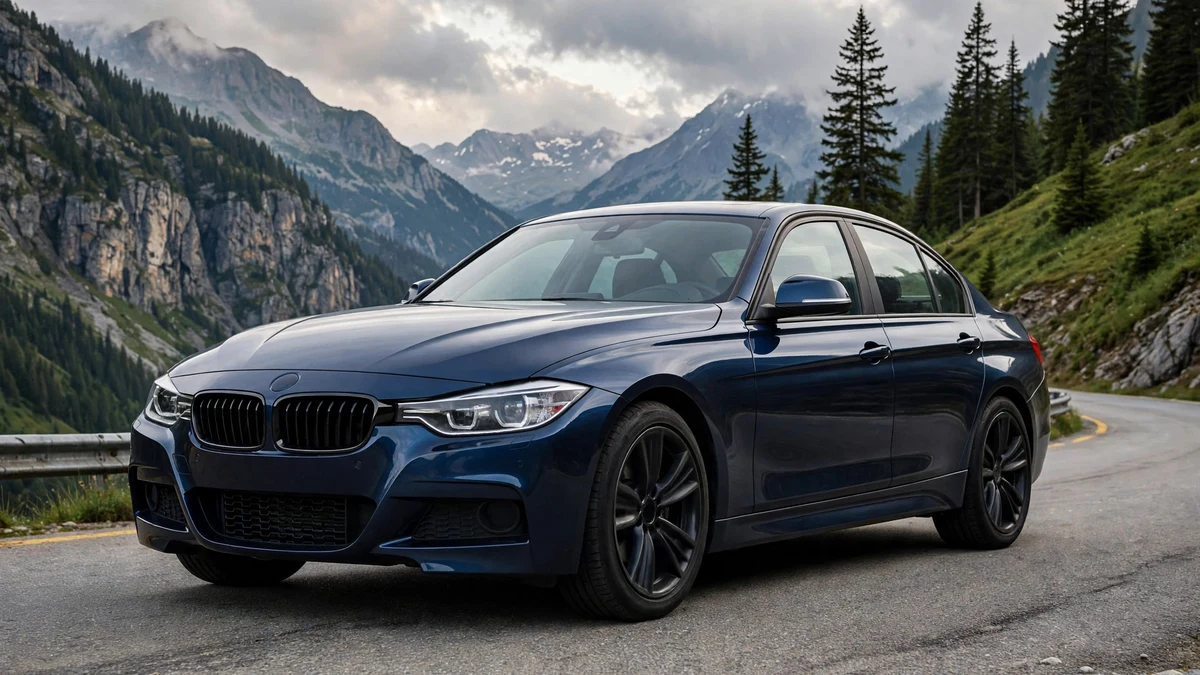
BMW’s badging makes this confusing, so here’s the decoder ring. In the US, the F30 3 Series launched for 2012 with the 328i powered by the N20 2.0L turbo four (240 hp, 255 lb-ft; xDrive and California-emissions cars got the SULEV-rated N26, mechanically near-identical — see our N20 vs. N26 explainer). That ran through 2015. The 2016 facelift kept the 328i badge for one transitional year with the N20 carried over — then for 2017 the badge became 330i with the new B46 engine (248 hp, 258 lb-ft), the US SULEV version of BMW’s modular B48. The 330i ran through the end of F30 production in 2018. Net: 2012–2015 = N20, 2016 = facelift body with N20, 2017–2018 = facelift body with B46. The 2016 car is the interesting overlap — LCI looks and chassis with the old engine — and it creates the one genuine bargain scenario in this comparison.
| Model years | Badge | Engine | Power / torque | Body |
|---|---|---|---|---|
| 2012–2015 | 328i | N20 (N26 SULEV on xDrive/CA cars) | 240 hp / 255 lb-ft | Pre-facelift |
| 2016 | 328i | N20 carried over | 240 hp / 255 lb-ft | Facelift (LCI) |
| 2017–2018 | 330i | B46 (US SULEV B48) | 248 hp / 258 lb-ft | Facelift (LCI) |
N20 vs. B46: the engine showdown
Small year-to-year changes affect what you’ll actually find for sale. For 2012, the F30 launched with the CIC iDrive (smaller screen, older interface) and the pre-facelift interior. 2013 brought the NBT iDrive with a larger 8.8-inch display and touchpad controller on most cars, plus the first meaningful option reshuffles. 2014 added standard heated front seats in some trims and minor packaging changes. 2015 was the last pre-facelift year — often the best value among N20 cars because they have the newest tech of the old body. 2016 is the split year: the facelift arrived (production from mid-2015), but the engine didn’t change. 2017 brought the 330i badge with the B46, NBT Evo iDrive with available Apple CarPlay, and the full LCI equipment set. 2018 was a carryover final year — buy the newest, lowest-mile 330i your budget reaches, since there were no mechanical changes to chase. One constant across all years: the ZF 8-speed automatic is standard on nearly everything (the manual take rate was negligible), and it’s one of the best conventional automatics ever made — smooth, quick, and durable with fluid services every 60,000–80,000 miles.
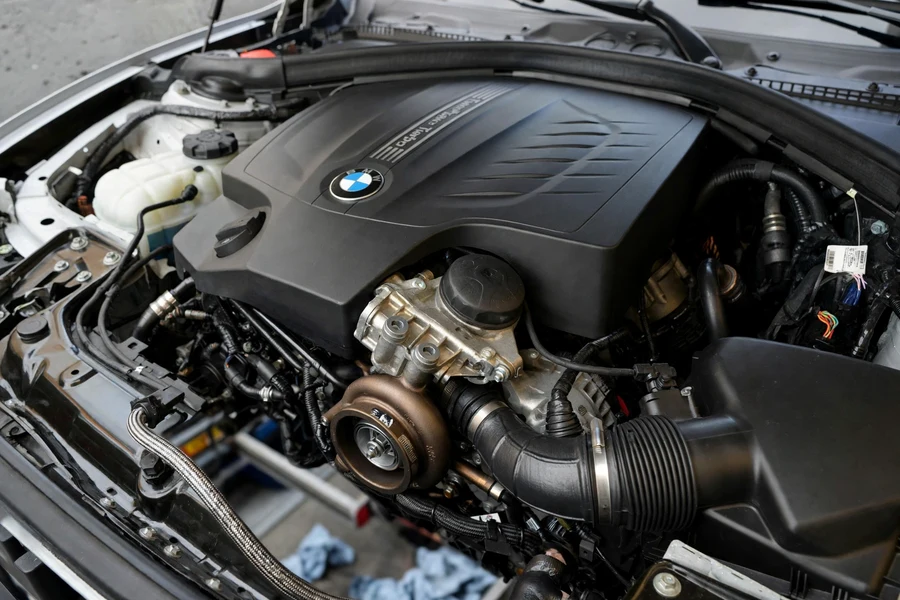
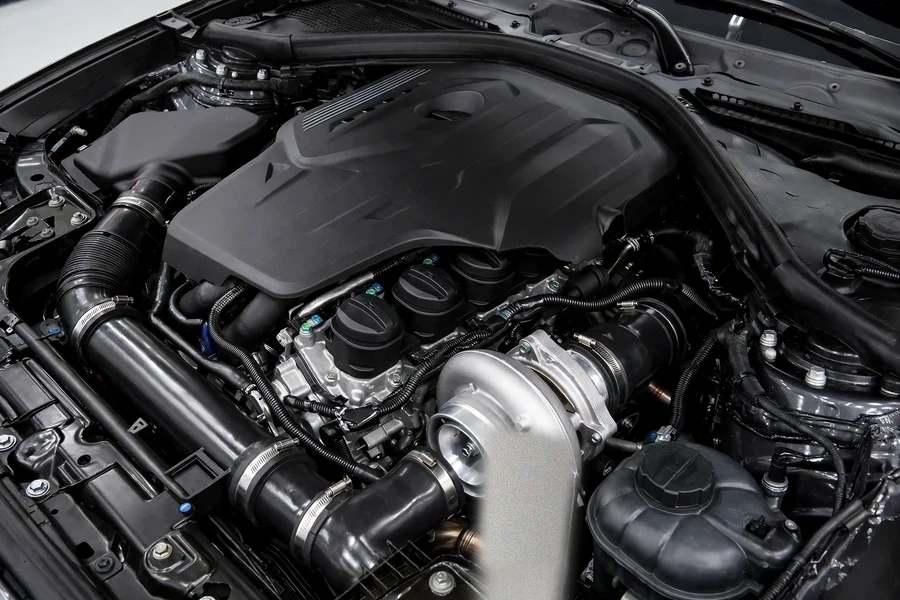
On paper the two engines look like siblings: 2.0-liter turbo fours, Valvetronic plus Double VANOS, twin-scroll turbocharging, similar output. Underneath, the B46 is a clean-sheet modular design (the “B” family shared with the B58 six-cylinder), and nearly every change addresses a known N20 weakness. The comparison that matters:
| System | N20 (2012–2015 328i) | B46 (2017–2018 330i) |
|---|---|---|
| Timing drive | Chain with plastic guides — documented premature wear | Redesigned chain drive and guides |
| Block | Open-deck aluminum | Closed-deck, stiffer crankcase |
| Turbo wastegate | Pneumatic actuator, rattle-prone with age | Electronic actuator, more precise |
| Cooling | Single-circuit with electric pump | Split-circuit with heat management module |
| Charge cooling | Air-to-air intercooler | Water-to-air intercooler integrated in intake |
| Exhaust manifold | Separate manifold | Integrated into cylinder head (faster warmup) |
| Refinement | Noticeable diesel-like clatter at idle | Substantially quieter and smoother |
| Fuel economy | Effectively a wash — low 20s city / low-to-mid 30s highway for both (EPA, fueleconomy.gov) | |
The power bump — 8 hp and 3 lb-ft — is irrelevant; nobody buys the 330i for 8 horsepower. What matters is that the B46’s changes are all durability and refinement changes, not performance changes. The closed-deck block handles heat and boost stress better, the split cooling lets the engine manage temperatures per circuit instead of one compromise loop, and the integrated exhaust manifold gets the catalytic converter hot faster (emissions) while simplifying the hot side. The N20 was a fine engine for its era — it won its share of praise when new — but it was BMW’s first mass-market turbo four after decades of naturally aspirated sixes, and the B46 is what that engine looks like after BMW learned the lessons. Our wastegate rattle guide covers the turbo-side failure mode that the B46’s electronic actuator largely leaves behind.
The N20 timing-chain issue, documented
This is the heart of the buy decision, so let’s be precise about what’s documented versus what’s forum lore. The N20’s timing chain and plastic guides can wear prematurely — stretched chains, cracked guides, and in the worst cases jumped timing that destroys the engine. The failure pattern was widespread enough to produce a US class-action settlement, and BMW extended warranty coverage on the timing chain, guides, and tensioner to 7 years or 70,000 miles on affected cars. That extension has now expired on every 2012–2015 car by age, which is exactly why it matters to you as a 2026 buyer: any N20 still on its original timing components is running without a safety net, and a timing-chain job at an independent shop runs $2,000–$4,000 (owner-reported bills).
What to do about it as a shopper: first, listen. A healthy N20 has a characteristic direct-injection tick; a failing timing drive adds a distinct whining or rattling from the front of the engine that changes with rpm — walk away from that car. Second, ask for records of timing-chain service; a 2012–2015 car with a documented chain, guide, and tensioner replacement in the last 40,000 miles has had its biggest risk retired and deserves real consideration. Third, budget it: if you’re buying an N20 car at 80,000+ miles with no chain records, price $2,500 into your offer or your first-year budget, because you’re buying the job whether you do it preventively or after it fails. Check NHTSA’s database by VIN for any open campaigns, and read our used 3 Series buying guide for the general inspection process that applies on top of this engine-specific check.
N20 ownership survival guide
If the finder above steered you toward an N20 car, here’s how to own it without regret. Oil: 5,000–7,500-mile changes with BMW LL-01 (or LL-14 for B46) approved oil — the N20 is a turbocharged direct-injection engine, and clean oil is what keeps the timing drive and turbo alive; the factory 10,000-mile interval is the maximum, not the target. Coolant: BMW blue coolant, changed every 4 years; the N20’s plastic coolant components (thermostat housing, vent lines) get brittle with age and heat. Spark plugs: every 40,000–60,000 miles on a turbo engine — sooner than the N52’s interval, because boost and direct injection are harder on plugs. Walnut blasting: direct injection means intake valves never see fuel, so carbon builds up; budget a $400–$700 walnut-blast cleaning every 60,000–80,000 miles (our walnut blasting guide explains the procedure). Common repairs and owner-reported costs: timing chain job $2,000–$4,000; valve cover gasket $400–$800; oil filter housing gasket $400–$700 (fix promptly — leaks can reach the belt); water pump and thermostat $800–$1,200; charge pipe upgrade $300–$600 in parts (the stock plastic pipe cracks under boost — an aluminum replacement is the permanent fix); ignition coils as they fail, ~$80–$120 each. None of these are unusual for a German turbo car of this age; the point is to buy a car whose seller already did the big ones.
What the 2016 facelift changed
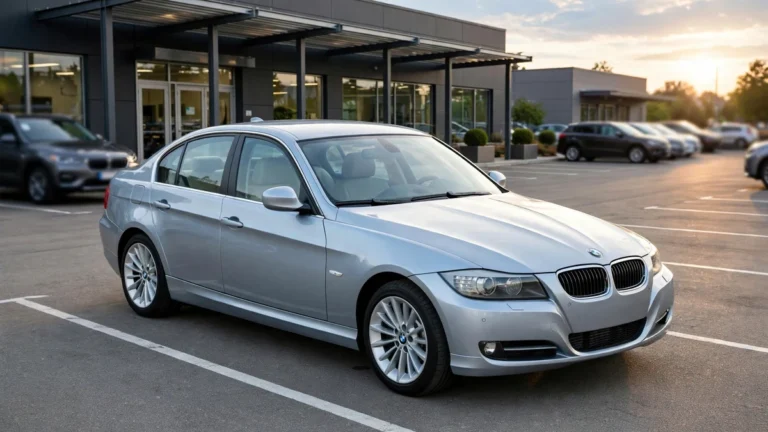
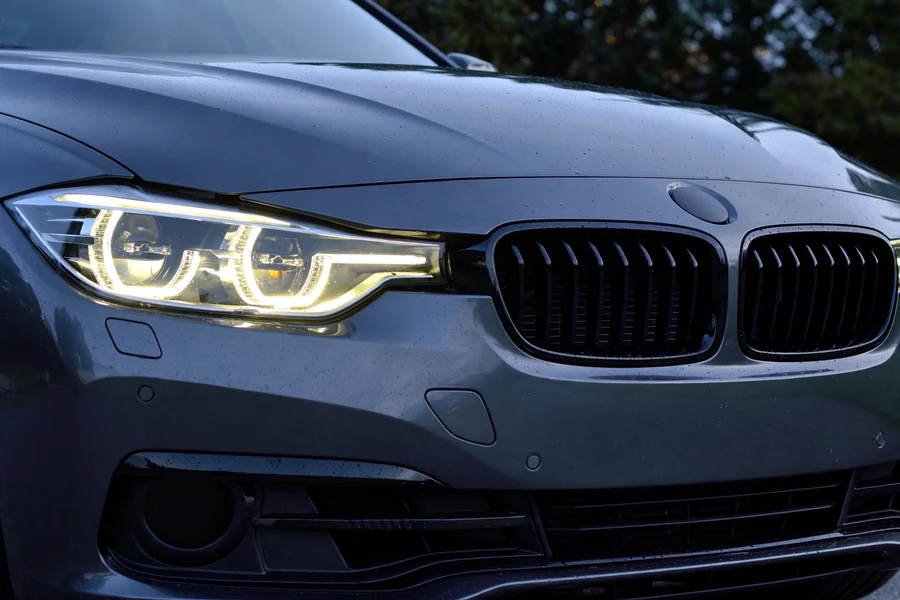
The LCI (Life Cycle Impulse — BMW-speak for mid-cycle facelift) arrived for the 2016 model year with production starting in mid-2015, and it’s more than a new bumper. Outside: restyled front and rear bumpers, reshaped kidney grilles, deeper-set headlights with LED daytime running lights (full adaptive LED headlights became available), and full LED taillights that modernize the rear dramatically at night. Inside: revised trim and materials, improved cupholder/console storage, and updated iDrive hardware — later LCI cars got the NBT Evo head unit with the newer interface and available Apple CarPlay, a meaningful upgrade over the early CIC/NBT systems. Underneath, BMW retuned the suspension and steering for the facelift, addressing the early F30’s most common dynamic complaint (numb steering and an underdamped ride); owners moving from pre-LCI to LCI cars consistently report the facelift feels more composed over broken pavement. None of this changes the engine math — a 2016 328i is still an N20 car — but it explains why LCI cars of either badge hold their value better.
Options, packages, and xDrive
The packages matter as much as the badge. M Sport is the one to hunt: sport suspension, sport seats, M steering wheel, and aero trim — and on the 330i, the upgraded 4-piston front brakes. Premium Package adds the moonroof, power seats with memory, and lumbar — check that the moonroof operates smoothly and the drains are clear, since neglected sunroof drains cause the water-intrusion headaches our sunroof drain guide covers. Technology/Dynamic Handling packages bring navigation, head-up display, and adaptive suspension on some cars — desirable, but adaptive dampers are expensive to replace at high miles, so test every mode. xDrive all-wheel drive was hugely popular and transforms the car in snow states; it adds transfer-case and front-differential fluid services (every 50,000–60,000 miles, often neglected) and slightly dulls the steering feel versus RWD. Our xDrive vs. RWD comparison breaks down the trade in full. On the test drive of any xDrive car, do slow full-lock turns in a parking lot and listen for binding or shuddering from the transfer case.
How they drive differently
Back-to-back, the difference is refinement more than speed. The N20 pulls hard from low rpm — 255 lb-ft at just 1,250 rpm gives the 328i genuinely strong midrange — but it sounds agricultural doing it: the direct-injection clatter at idle and the coarse note under load are the most common subjective complaints from owners who came from six-cylinder BMWs. The B46 keeps the same low-end punch (258 lb-ft, similar delivery) and adds roughly 90% less of the metallic click-clack, a happier willingness to rev, and a better exhaust note — owner impressions consistently describe it as feeling less strained. The facelift’s suspension retune matters here too: a 2017 330i rides and steers better than a 2013 328i even before the engine enters the conversation. If your test drives are months apart, don’t trust your memory — drive a clean example of each back-to-back, same roads, same day.
One more dynamic note: both cars share the ZF 8-speed automatic, and it’s a genuine asset — quick, smooth, and smart about holding gears in sport mode. The rare manual-transmission cars (a single-digit percentage of production) command a premium from enthusiasts but change nothing about the engine comparison. Steering feel is the generational complaint: the F30’s electric power steering was widely judged numb compared to the E90’s hydraulic rack, and while the facelift retune improved weighting and response, neither car will satisfy someone coming from an E46 or E90. Judge the F30 on its own terms — as a comfortable, quick, efficient sports sedan — and both engines deliver. Judge it as an E90 replacement and you’ll be shopping older cars instead.
7 reasons to pick the 330i over the 328i
1. The timing chain is fixed. This alone justifies the premium. The B46’s redesigned chain drive eliminates the N20’s signature failure — the one that produced a class action and kills engines when neglected. You’re not buying 8 horsepower; you’re buying out of a $2,000–$4,000 risk.
2. The electronic wastegate. The N20’s pneumatic wastegate actuator wears into the familiar turbo rattle with age; the B46’s electronic actuator is more precise and far less rattle-prone. One fewer “when, not if” repair on your timeline.
3. Better thermal management. Split-circuit cooling with a heat management module means the B46 warms up faster, runs each circuit at its ideal temperature, and stresses its gaskets and plastics less over a decade of heat cycles. Cooling-system failures are age failures — this is how you buy younger engineering.
4. It’s simply more refined. Less clatter, smoother revving, better manners in traffic. You’ll notice this every single day you own the car, which is more than can be said for most spec-sheet differences.
5. The LCI equipment comes standard. Every 330i is a facelift car: LED lighting, updated iDrive with available CarPlay, retuned chassis. A 2012–2015 328i can only match this with retrofit money.
6. Stronger resale. The market has learned the N20’s reputation. 330is hold their value better and sell faster — check any listing site and compare days-on-market. The premium you pay today is partially refunded when you sell.
7. Better brakes on M Sport cars. The 330i M Sport brought fixed 4-piston front calipers with larger 340mm discs (owner-documented; base 340i hardware), a genuine upgrade over the 328i’s sliding calipers that you’ll feel on the first hard stop.
Which one to buy (and the 2016 loophole)
The decision tree is short. Default to the 2017–2018 330i. It’s the newest, most refined, most reliable F30 four-cylinder, and the price premium over an equivalent 328i is smaller than a single major N20 repair. Consider a 2012–2015 328i only if: it’s significantly cheaper (at least $3,000 under the 330i equivalent), it has documented timing-chain service, and you’re comfortable with the older tech — at the right price it’s still a good car. The 2016 328i loophole: the facelift body with the N20 engine. These often price between the two — LCI looks and chassis without the 330i premium — and they’re the value play if the timing components are documented or freshly serviced. A 2016 with chain records at a $2,000+ discount to a 330i is arguably the smart-money car in the whole F30 range.
| Candidate | 2026 price band* | Verdict |
|---|---|---|
| 2012–2013 328i | ~$7,000–$11,000 | Only with timing-chain records; budget the job otherwise |
| 2014–2015 328i | ~$9,000–$14,000 | Same caveat; nicer tech than early cars |
| 2016 328i (LCI) | ~$11,000–$16,000 | The loophole — facelift car, N20 price, verify chain |
| 2017–2018 330i | ~$13,000–$20,000 | The default answer; worth the premium |
*Approximate owner-reported US market bands; condition and records move cars between bands. Manual-transmission cars are nearly nonexistent in the F30 328i/330i (the take rate was tiny), so don’t make the manual a requirement unless you’re prepared for a national search. xDrive adds all-weather ability and the usual AWD maintenance costs — our xDrive vs. RWD guide covers that trade. And if the turbo-four question has you eyeing the six-cylinder instead, read 328i vs. 335i: which to buy before deciding.
Interactive: which F30 should you buy?
Five questions, one recommendation. The finder weighs your budget against the N20’s timing-chain risk and the 330i’s premium, and tells you which of the four F30 four-cylinder candidates fits — or whether to keep looking.
F30 four-cylinder finder
The budget options below are built from this guide’s price bands. Everything else is your call.
Interactive: N20 vs. B46 myth quiz
Five true-or-false statements. Most shoppers get at least two wrong — the 2016 model year trips up nearly everyone.
N20 vs. B46 myth quiz
Question 1 of 5
The F30 four-cylinder story has a clear moral: BMW’s first turbo four taught the lessons that the second one applied. The N20 328i isn’t a bad car — with documented timing-chain service it’s a genuinely good used buy at the right price — but the 330i is the better car in every way that matters for ownership, and the market premium is smaller than the risk it retires. Unless a documented 2016 328i lands in your lap at a real discount, make the 2017–2018 330i your target, verify it with a specialist pre-purchase inspection, and enjoy the facelifted F30 the way BMW meant it to be built. And whichever engine you choose, keep up with the 3 Series maintenance schedule — these cars reward consistent care and punish neglect in equal measure, and the difference between a $1,200 year and a $4,000 year is almost always decided by the previous owner’s habits, not the badge on the trunk.
Frequently asked questions
Is the F30 328i reliable?
Mostly, with one big asterisk: the N20’s timing chain and guides. Everything else on the 328i — the ZF 8-speed, the chassis, the electronics — is solid, and owners who stay on top of oil changes and cooling-system maintenance routinely run these cars past 150,000 miles. A 2012–2015 car with documented timing-chain service is a reliable car; one without it is a gamble. The 2017–2018 330i’s B46 doesn’t carry that asterisk.
What is the actual difference between the 328i and the 330i?
Different engines and different eras: the 328i (2012–2016) uses the N20 2.0L turbo four with 240 hp, while the 330i (2017–2018) uses the B46 2.0L turbo four with 248 hp. The B46 brings a redesigned timing chain drive, electronic wastegate, split-circuit cooling, and more refinement. Every 330i is also a facelift car with LED lighting and updated iDrive.
Is the B46 engine reliable?
Yes — the B46/B48 family has one of the strongest reliability reputations of any modern BMW engine, with the timing-chain weakness redesigned out and none of the high-pressure fuel pump or injector troubles that defined the older N54. Owner-reported weak points are the usual aging items rather than design flaws: coolant vent hose brittleness (a cheap part that strands you if it bursts), oil filter housing seepage at higher miles, and valve cover gaskets past 80,000 miles. Keep the oil changes at 5,000–7,500 miles with an approved oil, service the ZF 8-speed every 60,000–80,000 miles, and the B46 is a 200,000-mile engine.
Should I buy a 2016 328i?
It’s the legitimate loophole: facelift styling, lighting, and chassis with N20 pricing. Buy one only with documented timing-chain service (or price $2,500 off for the job), and it’s arguably the value pick of the F30 range. Without chain records, the discount isn’t worth the exposure.
How much more does a 330i cost than a 328i?
Roughly $3,000–$5,000 more than an equivalent-condition 328i (owner-reported 2026 bands: ~$13k–$20k for 2017–2018 330is vs. ~$7k–$14k for 2012–2015 328is). A single N20 timing-chain job costs $2,000–$4,000, which is why the premium is usually money well spent.