
BMW 3 Series Check Engine Light: Causes by Engine, Codes, and Your First 30 Minutes
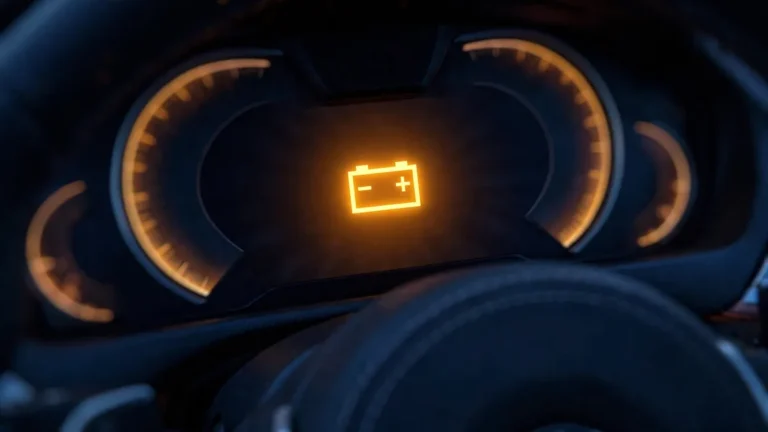
That little amber engine outline glowing on your cluster is the least informative warning your 3 Series can show you — it confirms the engine computer saw something it didn’t like, and tells you almost nothing about what. Generic advice (“just check the gas cap!”) misses the point, because the real bmw 3 series check engine light causes are overwhelmingly BMW-specific: VANOS solenoid faults that return every cold morning, Valvetronic motors that leave an N52 idling like a washing machine, plastic charge pipes that vent boost on nearly every turbo engine BMW has built since 2012, and timing hardware that makes a 2013 328i a very different risk from a 2016 330i. This guide is a diagnostic walkthrough: how to triage the light in the first 30 seconds, what to do in the first 30 minutes, how your engine family narrows the suspect list, which scan tools actually read BMW fault codes, and what each common fix costs. It’s built from BMW-specialist service patterns and owner-forum evidence, with confidence labeled where the evidence is thin.
For the “Drivetrain Malfunction” message that often appears alongside turbo-engine faults, see our BMW drivetrain malfunction guide — it owns that warning. For the big picture across every 3 Series generation, the complete 3 Series guide has you covered.
The short answer
BMW 3 Series check engine light causes split by urgency first, engine second. Flashing light = pull over and stop driving (active misfire, catalytic-converter damage in progress); steady light = schedule diagnosis within days. The pattern failures: N52 VANOS solenoids and Valvetronic sensors; N20/N26 VANOS faults, timing-chain wear and charge-pipe boost leaks; N55/N54 charge pipes and fuel-system faults; B48/B58 mostly oxygen sensors, ignition coils and EVAP leaks. Read the BMW-specific codes before replacing anything — a generic OBD-II reader misses half the story.
In this guide
- Steady vs flashing: the 30-second triage
- Your first 30 minutes: the diagnostic sequence
- Cause finder: match your symptoms to the culprit
- Causes by engine family: N52, N54, N20/N26, N55, B48, B58
- Scan tools that actually work on BMWs
- What the common fixes cost
- When to stop driving immediately
- Frequently asked questions
Steady vs flashing: the 30-second triage
Before you read a single code, read the light itself. How the light behaves decides whether you keep driving or park the car.
| What you see | What it means on a 3 Series | What to do |
|---|---|---|
| Steady amber, car runs normally | Emissions, fuel-trim, VANOS, EVAP or sensor fault; the DME is compensating | Tighten the fuel cap, then scan codes within a few days. Small faults cascade — don’t ignore it for weeks. |
| Flashing amber | Active engine misfire — unburned fuel is reaching the catalytic converter | Pull over safely, shut the engine off, call for a tow. Driving on risks a four-figure converter bill. |
| Steady + “Drivetrain Malfunction” | Turbo, fuel-pressure or boost fault; the car may enter limp mode | Drive gently to a shop the same day — or tow if power loss is severe. Our drivetrain malfunction guide covers this warning in depth. |
| Steady + red oil, coolant or temperature warnings | A separate critical system is in trouble — this overrides the CEL triage | Stop immediately wherever it is safe. Red warnings always outrank the check-engine light. |

Your first 30 minutes: the diagnostic sequence
Run these steps in order the first time the light appears. They cost nothing, take under half an hour, and preserve the evidence a shop needs later.
- Note the light’s behavior and every companion warning. Steady or flashing? Any “Drivetrain Malfunction,” temperature, oil or battery warnings? Photograph the cluster — warnings that self-clear still matter.
- If the light is flashing, stop here. Park safely, shut the engine off, arrange a tow. Every minute of driving risks the catalytic converter.
- If steady, tighten the fuel cap until it clicks. A loose or aging cap is a genuine EVAP-leak trigger, and the cheapest fix you’ll ever find. The light may clear after several drive cycles.
- Check oil level (via iDrive) and coolant temperature. Low oil is a known VANOS-code trigger on N20/N26 engines.
- Catalog the symptoms in plain words. Shaking at idle = misfire. Hiss plus weakness under hard acceleration = boost leak. Cold-start rattle = VANOS or timing hardware. Rotten-egg smell = catalytic converter.
- Scan with the best tool you have — then write down everything. Record every code, generic (P0xxx) and BMW-specific (hex), plus freeze-frame data if your tool shows it.
- Do NOT clear the codes yet. Clearing before saving destroys freeze-frame evidence — the snapshot of RPM, load and temperature at the moment the fault occurred.
- Match your codes and symptoms to your engine family in the sections below — the same symptom means different things on an N52 versus an N20.
The evidence rule: a fault code is a symptom, not a diagnosis. The same code (120308 “boost pressure too low,” for example) can mean a cracked charge pipe, a tired actuator, a loose clamp — or a turbocharger. The code tells you which system to investigate; the diagnosis comes from the investigation.
Cause finder: match your symptoms to the culprit
Pick the description that matches your car. Each tab narrows the field to the two or three causes BMW specialists see most often for that presentation — then the engine-family section narrows it further.
Likely culprits: oxygen sensor degradation, EVAP leak (fuel cap, vent lines), thermostat plausibility, or a “shadow” fault not yet assigned to a system.
- First check: fuel cap seal and tightness; scan fuel trims — values drifting far from zero point toward O2 sensors or a small vacuum leak.
- Codes: P0130–P0167 (O2 circuits), P0440/P0455/P0456 (EVAP), BMW-specific thermostat codes on N52 cars.
Likely culprits: ignition misfire — worn spark plugs, a failed coil, or (on direct-injection cars) a leaking injector. This is the one presentation where the light flashes.
- First check: which cylinder the codes point to. A misfire that follows the coil when swapped is a coil; misfires persisting after fresh plugs and coils point at injectors or compression.
- Codes: P0300–P0306 (generic misfire), BMW misfire-detection codes in the 140001 family, fuel-system codes on N54/N55 cars.
Likely culprits: cracked plastic charge pipe or loose boost plumbing — the signature failure of BMW’s turbo era, often arriving with a “Drivetrain Malfunction” message instead of (or alongside) the CEL.
- First check: listen for a hiss or whistle under hard acceleration; the car pulls cleanly at part throttle then flattens out when boost is demanded. The throttle-body coupler is the classic crack point on N20/N55 cars.
- Codes: 120308 (boost pressure plausibility: pressure too low) — a BMW charge-pipe failure guide documents the pattern across the N20, B48, N55 and B58 engines.
Likely culprits: VANOS (variable valve timing) faults or — on 2012–2015 N20/N26 engines — timing-chain guide wear. Both announce themselves with noise on cold start.
- First check: oil level and oil-change history (VANOS is oil-pressure driven), then whether the rattle fades as the engine warms. A rattle that never fully goes away on an early N20 is timing-chain territory.
- Codes: 130304/130308 (VANOS control faults), 130002/130202 (VANOS solenoid circuits), P0012/P0016 (cam timing over-retarded / correlation).
Causes by engine family
This is where BMW-specific knowledge pays off: find your engine below — the same light means very different things under different hoods.
N52 — E90 328i/330i (2006–2011)
The naturally aspirated inline-six is the most CEL-experienced 3 Series engine. VANOS solenoid faults top the list — oil varnish gums the solenoids, throwing cam-timing codes that clear and return on cold mornings. Next is Valvetronic: the eccentric-shaft sensor (buried under the valve cover, labor-intensive) and the Valvetronic motor, announcing failure with rough idle and stalling. The DISA valve flap breaks and rattles; O2 sensors and coils age out past 80,000 miles; and a failed map-controlled thermostat heater circuit throws a plausibility code — another N52 signature.
N54 — E90 335i (2007–2010)
The twin-turbo N54’s CEL story is dominated by its fuel system. HPFP failure is the defining N54 fault — long cranking on cold starts, stumbling under load, fuel-pressure codes. Fuel injectors fail individually, causing single-cylinder misfires that resist the usual coil-and-plug fixes. Wastegate rattle eventually throws boost-control faults, and the charge pipe can split too. N54 ownership rewards a BMW-specific scan tool more than most — generic readers routinely mislabel the fuel-system codes.
N20/N26 — F30 328i/320i (2012–2016)
The turbo four that powered most F30s has the busiest CEL resume of any 3 Series engine. VANOS faults are constant — solenoid electrical and inlet/exhaust control faults, often alongside “Drivetrain Malfunction” warnings. Timing-chain guide wear on pre-2015 engines is the serious one: cold-start rattle plus cam-correlation codes needs professional attention before it turns catastrophic. Charge-pipe cracks deliver boost-loss-under-load with 120308 underboost codes. The valve cover’s integrated PCV diaphragm tears and produces lean codes (P0171) with rough idle — the cover is replaced as a unit. And low oil level alone can trigger VANOS codes on these engines — check the oil before anything else.
N55 — F30 335i (2012–2015)
The single-turbo N55 cleaned up the N54’s fuel-system drama but kept the boost plumbing. Charge-pipe failure is the headline CEL cause — the plastic throttle-body coupler cracks under heat and boost cycling, usually in the mid- to high-mileage range. VANOS faults persist, the Valvetronic motor can fail with rough-running symptoms, and coils and plugs wear on schedule. HPFP failures are far less common than on the N54, but fuel-delivery codes still appear.
B46/B48 — F30 LCI 330i/320i (2016–2018), G20 330i (2019+)
The modular B-series four is the least CEL-prone 3 Series engine in decades — which is why our reliability-by-year breakdown rates the B48 years so well. When the light does come on, it’s usually mundane: oxygen sensors at high mileage, ignition coils, EVAP leaks, and the PCV diaphragm in the valve cover. The charge pipe is still plastic and still a wear item in hot climates, though failures arrive later than on the N20. Cooling-system plausibility faults (thermostat, coolant temperature) round out the list.
B58 — F30 340i (2016–2018), G20 M340i (2019+)
The B58 inline-six has the shortest CEL rap sheet here: misfires (coils, plugs, occasionally injectors), oxygen sensors, and EVAP faults cover the vast majority of lights. Charge-pipe failures are reported but uncommon, and VANOS faults are rare compared with every earlier six.
| Code pattern | What it typically reports | Engines seen on | Evidence |
|---|---|---|---|
| 2A82 / 2A98 | VANOS inlet / exhaust mechanics | N52 | Owner-forum reports |
| 130304 / 130308 | VANOS inlet / exhaust control fault | N20 / N26 | Owner-forum reports |
| 130002 / 130202 | VANOS solenoid circuit faults | N20 / N26 | Owner-forum reports |
| P0012 / P0016 | Cam timing over-retarded / cam-crank correlation | N20 / N26 (timing chain suspects) | Generic OBD-II |
| 120308 | Boost pressure plausibility: too low | N20 / N26 / N55 / B48 | Specialist guides + forums |
| 140001 / 140101 | Misfire detection | N55 / B48 / B58 | Specialist diagnostic guides |
| P0300–P0306 | Random / cylinder-specific misfire | All | Generic OBD-II |
| P0171 | System too lean, bank 1 | N20 / N26 (valve-cover PCV) | Owner-forum reports |
| P0130–P0167 | O2 sensor circuit faults | All | Generic OBD-II |
| P0440 / P0455 / P0456 | EVAP system leaks | All | Generic OBD-II |
| 11A002 family | Fuel delivery faults | N55 / B58 | Specialist diagnostic guides |
Scan tools that actually work on BMWs
That $20 code reader only sees the federally mandated emissions codes. BMW’s own hex codes — plus shadow faults stored without ever lighting the dash — live in modules a generic scanner can’t reach. The tool ladder for a 3 Series:
| Tool | Reads BMW-specific codes? | Also does | Typical cost (2026) | Best for |
|---|---|---|---|---|
| Generic OBD-II reader / ELM327 Bluetooth | No — generic P-codes only | Basic live data | $15–$40 | A first look, nothing more |
| BimmerLink (app + adapter) | Yes — all modules | Live sensor data, battery registration, service resets | ~$35–45 app + adapter | The BMW owner’s first proper tool |
| Carly (app + adapter) | Yes — BMW-specific codes | Diagnostics plus light coding | ~$65–85/year subscription | All-rounders who also want coding |
| Foxwell NT510 / NT530 / NT710 | Yes | Service functions, no phone needed | $130–$170 | People who prefer a handheld |
| ISTA+ (dealer-level software) | Full dealer-level access | Guided test plans, wiring diagrams, every module | Laptop + ENET cable (F/G series) or K+DCAN (E series) | Serious DIY diagnosis |
Two practical notes from BMW diagnostic practice. First, read all fault types — active, stored, and shadow faults — because BMWs store faults that never trigger the light, and those shadows often explain recurring lights. Second, never clear codes before saving them with their freeze-frame data; specialists consider this the single biggest DIY diagnostic mistake.

What the common fixes cost
Bands below are approximate 2026 U.S. independent BMW specialist prices, parts and labor. Dealerships typically run 30–60% higher; DIY with quality parts lands well below the low end. Treat these as budgeting guides, not quotes.
| Repair | Typical indie band | Confidence |
|---|---|---|
| Diagnostic scan (BMW-specific, all modules) | $100–$200 | High — standard shop fee |
| Fuel cap replacement | $25–$70 | High |
| Oxygen sensor (one, pre-cat, installed) | $250–$500 | Medium-high |
| Ignition coil + spark plugs (4-cyl) | $300–$600 | Medium-high |
| Ignition coils + spark plugs (6-cyl) | $450–$900 | Medium-high |
| VANOS solenoids, pair (N52, installed) | $300–$600 | Medium — varies by solenoid brand |
| Valvetronic eccentric-shaft sensor (N52, installed) | $500–$900 | Medium — labor-intensive |
| Valve cover / PCV assembly (N20/N26, installed) | $600–$1,200 | Medium |
| Charge pipe, aluminum upgrade (installed) | $350–$700 | Medium-high |
| High-pressure fuel pump (N54/N55, installed) | $800–$1,500 | Medium |
| Catalytic converter (installed) | $1,200–$2,800 | Medium — varies widely by model |
| N20/N26 timing-chain assembly (installed) | $2,500–$4,500 | Medium — the big one; get multiple quotes |
When to stop driving immediately
A steady light with no symptoms buys you days. The situations below buy you zero miles:
Stop the car now if:
- The check-engine light is flashing — active misfire, catalytic converter at risk.
- Any red warning appears alongside it (oil pressure, coolant temperature, overheating).
- The engine is shaking violently, knocking loudly, smoking, or smells strongly of burning or fuel.
- Power loss is sudden and severe, or the car entered limp mode at highway speed and won’t hold traffic pace safely.
A steady light plus a “Drivetrain Malfunction” message with mild power loss is the gray zone: if the engine sounds normal and the car holds speed, a gentle drive to the nearest shop is acceptable — but book it the same day. When in doubt, remember the math: a $150 tow beats the $2,000 converter a flashing light can destroy.
Frequently asked questions
The check engine light is the start of a diagnosis, not a verdict. Triage the light’s behavior, work the 30-minute sequence, let your engine family narrow the suspects, and read the BMW-specific codes before spending a dollar on parts. For the drivetrain-malfunction warning that shadows so many turbo-engine faults, our BMW drivetrain malfunction guide picks up where this one leaves off; for how each engine stacks up over time, see the 3 Series reliability record by year and the complete 3 Series guide.
Cause rankings synthesize BMW-specialist service guides (charge-pipe patterns on N20/B48/N55/B58; ISTA-based diagnostic methodology), recurring-cause analyses from independent BMW shops, and owner-forum code reports — labeled as such where the evidence comes from threads rather than factory documentation. Cost bands are approximate 2026 U.S. independent-specialist figures at medium confidence; dealers run higher and regional labor rates shift the top end. No fault codes, TSB numbers, or repair figures were invented for this guide. Last verified: September 2026.